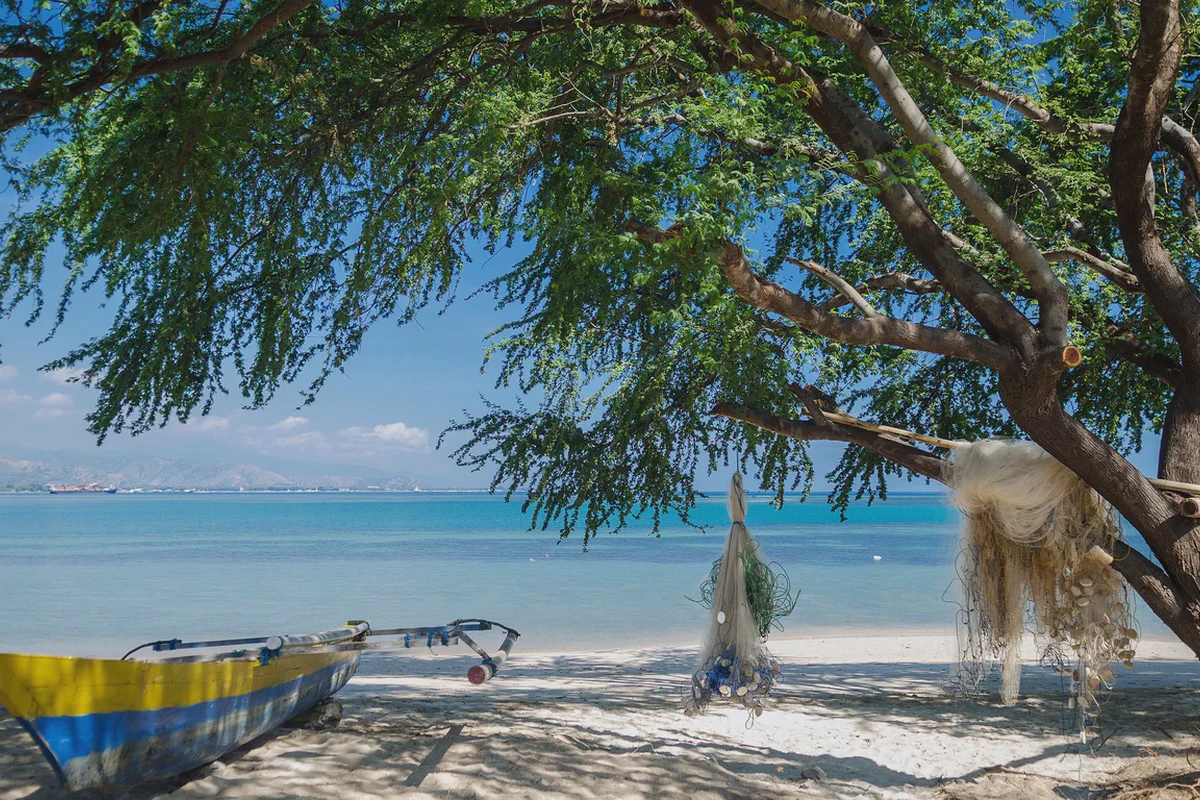
This Timor-Leste travel guide exists because the information out there is thin, contradictory, and often years out of date. Timor-Leste (East Timor) got maybe 80,000 visitors a year before the pandemic, fewer than Bali sees in a slow week, and it only joined ASEAN in October 2025. The country is half of a small island an hour and a bit from Darwin, it uses the US dollar, and it has some of the healthiest reefs left in Asia. Almost nobody comes. Here is how to, and whether you should.
Why so few people come
First, access. There are only a handful of air routes into Dili, and no beach-resort machine waiting at the other end. Second, cost: because everything is imported and priced in US dollars, Timor-Leste costs more than Indonesia next door while offering far less polish. A basic Dili hotel room runs $40 to $90. Third, effort: roads outside the capital range from acceptable to punishing, English is patchy (Tetum and Portuguese are the official languages, Indonesian is widely understood), and almost nothing is bookable online.
The same three reasons are why the people who do come tend to rave about it. The reef off Atauro has been surveyed as among the most biodiverse on the planet, and on a weekday you may have it to yourself. The history, a brutal occupation followed by independence in 2002, is recent and visible and the Timorese are open about it. And there is a specific pleasure in a capital city where the traffic jam is goats.
How to get to Timor-Leste
All practical routes go through Presidente Nicolau Lobato International Airport in Dili.
| From | Airline | Notes |
|---|---|---|
| Denpasar (Bali) | Aero Dili, Citilink | The workhorse route, daily or near-daily, about 2 hours |
| Darwin | Airnorth, Qantas, Aero Dili | About 1.5 hours; several flights weekly |
| Singapore | Aero Dili | Weekly |
| Kuala Lumpur | Aero Dili | Started March 2026 |
Fares from Bali commonly sit in the $150 to $250 one-way range. Book directly with the airlines; schedules shift often, so recheck close to travel.
The visa. Most nationalities get a 30-day visa on arrival at the airport for $30, paid in cash. Bring clean US dollar notes. EU and Schengen passport holders enter visa-free for 90 days. Lines are slow, not difficult.
The land border. You can cross overland from Indonesian West Timor (Kupang to Dili by bus via the Mota’ain/Batugade crossing, a long day). But visa on arrival at the land border is no longer available to most nationalities: unless you hold an Indonesian, Portuguese, or US passport, you need a Visa Application Authorization arranged in advance, most easily at the Timor-Leste consulate in Kupang, allowing up to 10 working days. Do not show up at Batugade expecting to sort it on the spot. Rules here change; confirm with the consulate or the immigration service before committing to the overland route.
Dili in a day or two
The capital is low-rise, seafront, and walkable in the morning before the heat arrives. It needs one full day, two if you like sitting still.
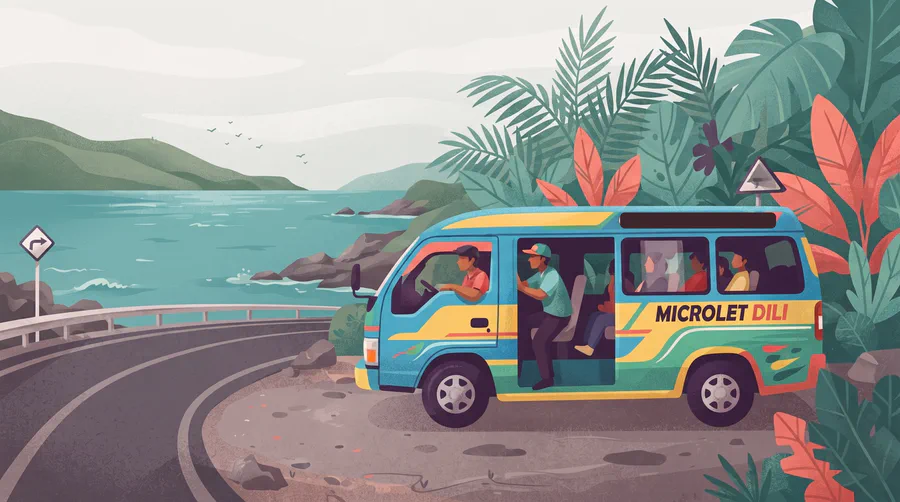
Cristo Rei. The 27-meter Christ statue on Cape Fatucama at the east end of the bay, reached by about 590 steps lined with Stations of the Cross. Go at sunrise or from 4pm; at midday the staircase is a grill. From the top you look back over the whole bay, and on the far side of the headland is a quieter white-sand beach locals call Jesus Backside Beach, which is the better swim. A taxi from the center costs a few dollars; microlets run along the coast road for 25 cents.
The Resistance Museum (Arquivo & Museu da Resistência Timorense). The clearest telling of the 1975 to 1999 occupation and the independence struggle, in a country where everyone over 40 lived it. Allow two hours. The Chega! exhibition at the former Balide prison covers the same history from the survivors’ side and is heavier going.
Tais Market. Tais is Timorese handwoven cloth, distinct patterns by district, sold at a small dedicated market in town. Expect to pay $10 to $60 depending on size and quality, and haggle gently; margins here are not Kuta margins.
The waterfront. Late afternoon, the seafront west of the port fills with grilled-fish stalls, families, and impromptu football. Buy fish, sit on plastic stools, watch the sun drop behind Atauro on the horizon. This is Dili’s actual nightlife; the handful of bars (mostly serving NGO staff and Australian contractors) close early.
Timorese coffee deserves a mention. It grows in the highlands around Ermera and is one of the country’s only exports; cafes in Dili serve it well and a kilo of beans is one of the few souvenirs worth suitcase space.
Atauro Island: the reason to come
Atauro sits 25 km off Dili, visible from the waterfront, and holds the country’s best snorkeling and diving. Marine surveys around the island have recorded some of the highest reef-fish diversity ever counted. There are a few small guesthouses and dive operations, no ATM, no resort strip.
Getting there. Public ferries run most days of the week: currently the Berlin Nakroma (about $4, Wednesday, Thursday, Saturday, Sunday) and the Success (about $5, Tuesday and Friday), each taking 2.5 to 3 hours. Tickets are cash, at the port, on the day. The Dragon Star fast ferry that used to do the run in an hour has been out of service since late 2025, with no return date. There are no sailings on Mondays. Dive shops and guesthouses can also arrange speedboat charters, faster but at charter prices, and day trips from Dili with the dive operators are possible if a ferry schedule does not fit.
Staying. Barry’s Place at Beloi is the long-running eco-lodge: bungalows around $45 to $60 per person and dorm beds around $30, all including three meals, which matters on an island with no restaurants to speak of. Atauro Dive Resort nearby runs a proper dive center. Book both by email or WhatsApp, ahead; capacity is genuinely limited.
In the water. Snorkeling trips run about $10 to $15 per person by local boat, plus a $2 reef fee at the Beloi protected area, and the house reef drops off within swimming distance of the pier. Divers get walls, seagrass, and pelagics with nobody else on the site. And if you are there between roughly October and December, the deep channel between Atauro and the mainland is a migration corridor: blue whales and sperm whales pass through the Ombai Strait, sometimes visible from the ferry.
Plan two to three nights. A day trip works but wastes the best hours, early morning, on a boat from Dili.
Beyond Dili: mountains and the state of the roads
Timor-Leste is mountainous, and outside the capital the roads decide your itinerary more than your interests do. The north coast road east to Baucau is in reasonable shape; many interior roads are broken, landslide-prone in the wet season, and slow in a way maps do not capture. Thirty kilometers can take two hours. Public transport is microlets and crowded buses; most independent travelers hire a 4WD with driver, around $100 to $150 per day with fuel sometimes extra, or rent a motorbike if experienced.

Where the effort pays:
- Mount Ramelau (2,986 m). The country’s highest point, a pre-dawn hike from the village of Hatobuilico to a summit Virgin Mary statue, above the clouds at sunrise. The standard approach is an overnight in Hatobuilico via the hill town of Maubisse, itself worth a stop for the old Portuguese pousada and the Saturday market.
- Baucau. The second city, three to four hours east, with a crumbling Portuguese old town, a spring-fed public pool, and Osolata beach below.
- Com and the far east. For travelers with time, the road ends near Jaco Island, an uninhabited sacred islet with white sand and clear water off the eastern tip. Getting there is a two-day commitment each way, which is why it stays empty.
The dry season, roughly May to November, is the time to do any of this. December to April brings rain, mud, and cut roads in the interior.
Timor-Leste travel guide essentials: money and practical notes
- Currency. US dollars, with Timorese centavo coins for small change. This is a cash country. ATMs exist in Dili and dispense dollars, but they cannot be relied on elsewhere; carry what you need, in smaller notes, before leaving the capital. Cards work in a handful of Dili hotels and almost nowhere else.
- Daily budget. Realistic floor of $50 to $70 a day traveling cheaply (guesthouse, microlets, local food), $120+ with a hired car and dive days. Street meals cost $2 to $4; a restaurant meal in Dili $8 to $15.
- Getting around Dili. Microlets are 25 cents a ride on fixed routes. Yellow taxis are negotiated, $2 to $5 within town; agree the price before getting in.
- Language. Tetum and Portuguese officially; Indonesian widely spoken; English enough in Dili and dive lodges, thin elsewhere. A few Tetum words (obrigadu, thank you, said by men; obrigada by women) go a long way.
- Safety and health. Stable and generally welcoming since 2008; petty theft exists in Dili, violent crime against tourists is rare. Malaria and dengue are present, so bring repellent and consider prophylaxis for long rural stays. Medical care is basic; serious cases get evacuated to Darwin, so travel insurance with evacuation cover is not optional. A nomad policy like SafetyWing starts around $63 per four weeks for under-40s; whichever insurer you use, confirm in writing that medical evacuation is included before you fly.
- Connectivity. Mobile data (Telkomcel, Telemor, Timor Telecom) covers Dili and the main towns, and gets sparse in the mountains and on Atauro. Download offline maps before leaving the capital. An Atli plan for Timor-Leste connects through Telemor and is listed with 3G rather than LTE, which is worth knowing before you rely on it; the eSIM, airport SIM and pocket wifi comparison is the place to weigh that against a local SIM.
Who should actually go
Divers and snorkelers first, without question. Then travelers who liked Flores or Sumba before those got discovered, hikers who want a summit sunrise with a story, and anyone curious about how a country builds itself from scratch inside living memory. Timor-Leste rewards exactly the traveler it filters for: patient, cash-carrying, flexible about time.
If your trip depends on smooth logistics, reliable hot water, and evening options, it is not there yet, and pretending otherwise helps no one. That is also the best argument for going now. ASEAN membership will slowly change the access problem, and places this empty do not stay that way once the ferries run on time.
FAQ
Do I need a visa for Timor-Leste?
What currency does Timor-Leste use?
Is Timor-Leste safe to visit?
When is the best time to visit Timor-Leste?
Checked August 2026. Flight schedules, ferry days, and land-border visa rules change frequently in Timor-Leste; reconfirm all three close to travel.
The SafetyWing link above is an affiliate link. Signing up through it costs you nothing extra and helps keep Atli running.