National parks are the easiest kind of trip to plan badly. The scenery is fixed and the photographs are everywhere. The rules are not fixed, and in 2026 a growing number of parks sell tickets only online, cap the number of people per day, or close a road to private cars. That is where trips go wrong.
This list has fourteen parks on six continents. Each entry gives the season, what entry costs this year, and the one access rule that catches people out.
Seoraksan National Park, South Korea
Best months: mid to late October for the foliage, May and June for empty trails
Seoraksan is granite peaks and pine above the east coast, three hours from Seoul by bus. The foliage peaks between 16 and 25 October in 2026, and on those weekends the main trails from Sokcho are a slow line of hikers. The trails are quieter midweek.
Entry is free. The temple fee once charged at the gate was abolished in May 2023, though some guides still tell you to bring cash for it. The Korea foliage guide has the bus times and the forecast dates for the rest of the country.
Zhangjiajie National Forest Park, China
Best months: April to June and September to November
Zhangjiajie is the forest of sandstone pillars that stood in for the floating mountains in the film Avatar. The main ticket costs 239 yuan, covers four days and includes the shuttle buses inside the park. The Bailong Elevator up the cliff face costs 65 yuan each way and the Tianzi Mountain cable car 72 yuan.
Tianmen Mountain, with the glass walkway and the long staircase, is a separate park with its own ticket. The two are often confused. Avoid the first week of October, when the national holiday fills every viewpoint.
Komodo National Park, Indonesia
Best months: April to November, the dry season
Komodo is dragons on two islands, a pink sand beach, manta rays at a cleaning station, and the three-bay view from the top of Padar. Everything is reached by boat from Labuan Bajo in Flores.
Since 1 April 2026 the park admits 1,000 visitors a day and every entry is booked in advance through the SiOra system. Boat operators handle the booking, but ask for confirmation two to three days ahead, and two weeks ahead in July and August. Foreign visitors pay IDR 250,000 per person per day plus a small harbour fee. Ranger escorts on the dragon islands are compulsory.
Sagarmatha National Park, Nepal
Best months: October and November, then March to May
Sagarmatha is the Everest park. Most visitors walk the return trek of around twelve days to base camp from Lukla, through Namche Bazaar at 3,440 metres. The park permit costs NPR 3,000 for foreigners and the Khumbu municipality charges another NPR 3,000. Both are sold at Lukla or Monjo.
The practical limit is altitude. Rest days at Namche and Dingboche are built into every standard itinerary, and the flight to Lukla is cancelled whenever the cloud sits on the runway, so leave two spare days at the end.
Fiordland National Park, New Zealand
Best months: November to April
Fiordland is the wet southwest corner of the South Island. Milford Sound is the fjord most visitors drive to, two hours from Te Anau on a road that closes at times in winter for avalanche control. The park has no entry fee.
The Milford Track is the park’s best-known walk. It is 53.5 kilometres over four days, and in the Great Walks season from 1 November to 30 April the huts must be booked. International adults pay NZ$152 per hut night. Bookings for the 2026 to 2027 season are open and the popular dates go within days of release.
Uluru-Kata Tjuta National Park, Australia
Best months: May to September
Uluru is the rock, and Kata Tjuta the domes an hour’s drive away that most visitors underrate. A park pass costs A$38 for three days and children under 18 enter free. Buy it online before you arrive.
The climb closed permanently in October 2019, so the walks are around the base. In summer the temperature passes 40 degrees and the longer walks close by late morning. The only accommodation is in Yulara. It is the resort town just outside the park gate.
Yellowstone National Park, United States
Best months: May to early June, and September
Yellowstone is geysers, hot springs, canyon and bison over an area larger than some states. Entry costs US$35 per vehicle for seven days and no reservation is needed to drive in.
Most roads inside the park close to cars from early November to late April, and the park’s own rule is 25 yards (about 23 metres) from bison and 100 yards (about 90 metres) from bears and wolves. The rule exists because people break it every summer. July is the busiest month by a distance.
Banff National Park, Canada
Best months: late June to September for the lakes, December to March for skiing
Banff is turquoise lakes under glaciers, ninety minutes from Calgary. Daily admission is CA$12.25 per adult, and youth aged 17 and under enter free.
The access rule is Moraine Lake. The road has been closed to private vehicles since 2023, so you go by Parks Canada shuttle, booked in advance, or by a commercial shuttle. Lake Louise parking fills before sunrise in summer. The shuttle solves both.
Torres del Paine National Park, Chile
Best months: November to March
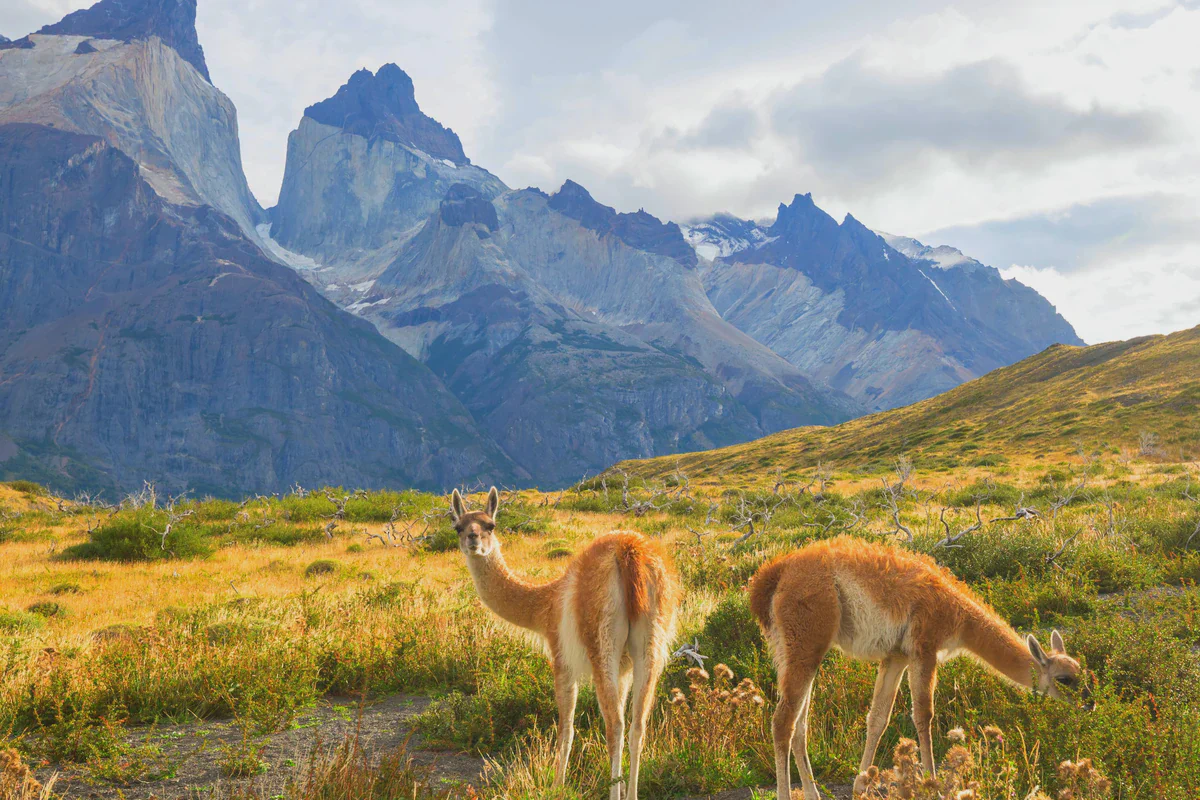
Torres del Paine is granite towers, glaciers and wind in Chilean Patagonia. Since May 2026 a one-day ticket for foreign adults costs CLP 34,000 and a multi-day ticket CLP 48,500. Tickets are sold only online through the CONAF system and you are turned away at the gate without one.
The W trek takes four to five days and its campsites and refuges are run by two private operators. Those beds sell out months ahead for December to February. The day trip to the towers viewpoint needs no beds, only the ticket and an early start.
Plitvice Lakes National Park, Croatia
Best months: April, May and October
Plitvice is sixteen lakes connected by waterfalls, walked on wooden boardwalks. The ticket price moves with the season: €40 from June to September, €23.50 in April, May and October, and €10 from November to March.
In summer, tickets are sold online with an entry hour, because the boardwalks are narrow and the park limits how many people are on them at once. Swimming is banned. Early morning in shoulder season is the version of the park in the photographs.
Vatnajökull National Park, Iceland
Best months: June to August for hiking, November to March for the ice caves
Vatnajökull covers the largest glacier in Europe and about 14 percent of Iceland. The two places most visitors see are Skaftafell, with the hike to the Svartifoss waterfall, and the Jökulsárlón lagoon where icebergs drift out to the black beach.
There is no entry fee, though the main car parks charge for parking. The ice caves under the glacier can only be visited with a guide and only in winter, when the meltwater stops. Skaftafell is about four hours from Reykjavík on the ring road.
Serengeti National Park, Tanzania
Best months: July to October in the north for the river crossings, January and February in the south for calving
The Serengeti is the migration, about 1.5 million wildebeest moving in a loop through the year and the predators that follow them. The entry fee for non-resident adults is about US$83 per 24 hours including VAT in the main season, and lower from mid-March to mid-May. The parks are cashless: fees are paid by card or through your operator.
Almost everyone visits on an organised safari, and where you stay decides what you see. Lodges in the north are for the crossings, camps in the south for calving season. A camp in the wrong region for the month is the most common expensive mistake.
Kruger National Park, South Africa
Best months: June to September
Kruger is the park you can drive yourself. Tar roads, rest camps with shops and fuel, and animals that ignore cars. International adults pay R602 per day in conservation fees plus R47 per vehicle.
The gates open and close at fixed times around sunrise and sunset, and being outside a camp after gate closing carries a fine. Rest camps inside the park are booked through SANParks and the popular ones fill months ahead for the dry season. Kruger is a malaria area, so see a doctor before you go.
Göreme National Park, Türkiye
Best months: April to June and September to October
Göreme is the valley of rock cones and cave churches in Cappadocia, and the sky full of balloons at dawn. The Open Air Museum, with the best of the painted churches, costs €20, and the Dark Church inside it has a separate ticket.
Balloons fly only when the wind allows, and a fair share of mornings are cancelled, so book the flight for the first morning of your stay and keep the others in reserve. The valleys around Göreme can be walked free.
Before you book
The pattern across these fourteen is the same. Entry fees are modest almost everywhere. What costs money and trips is the access rule: the ticket that is online only, the road closed to cars, the hut that sold out in March, the quota that filled while your boat operator was slow. Check the official park site for the month you are going, not the year, because most of these rules changed in the last three seasons.
Fees checked September 2026 against Yellowstone, Parks Canada, Parks Australia and New Zealand DOC official pages; the others from park operators and 2026 tariff guides, which may lag official changes. Fees are per adult unless stated.