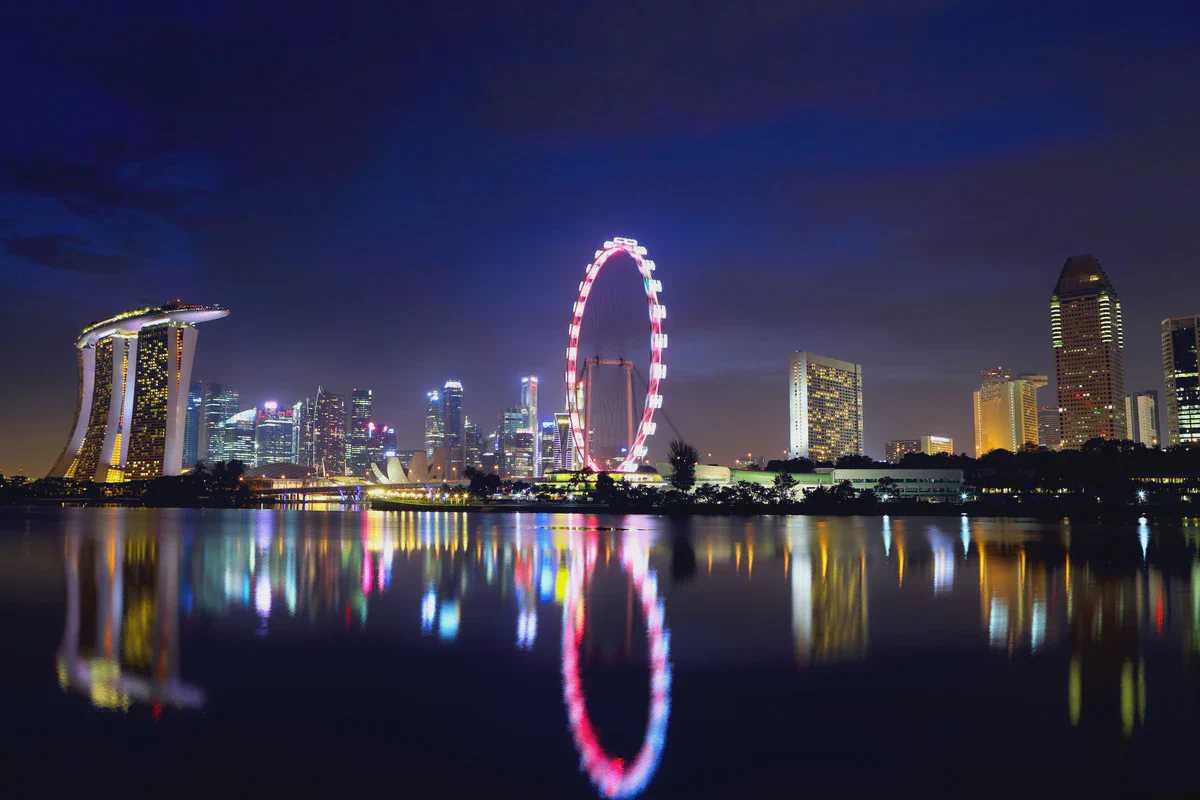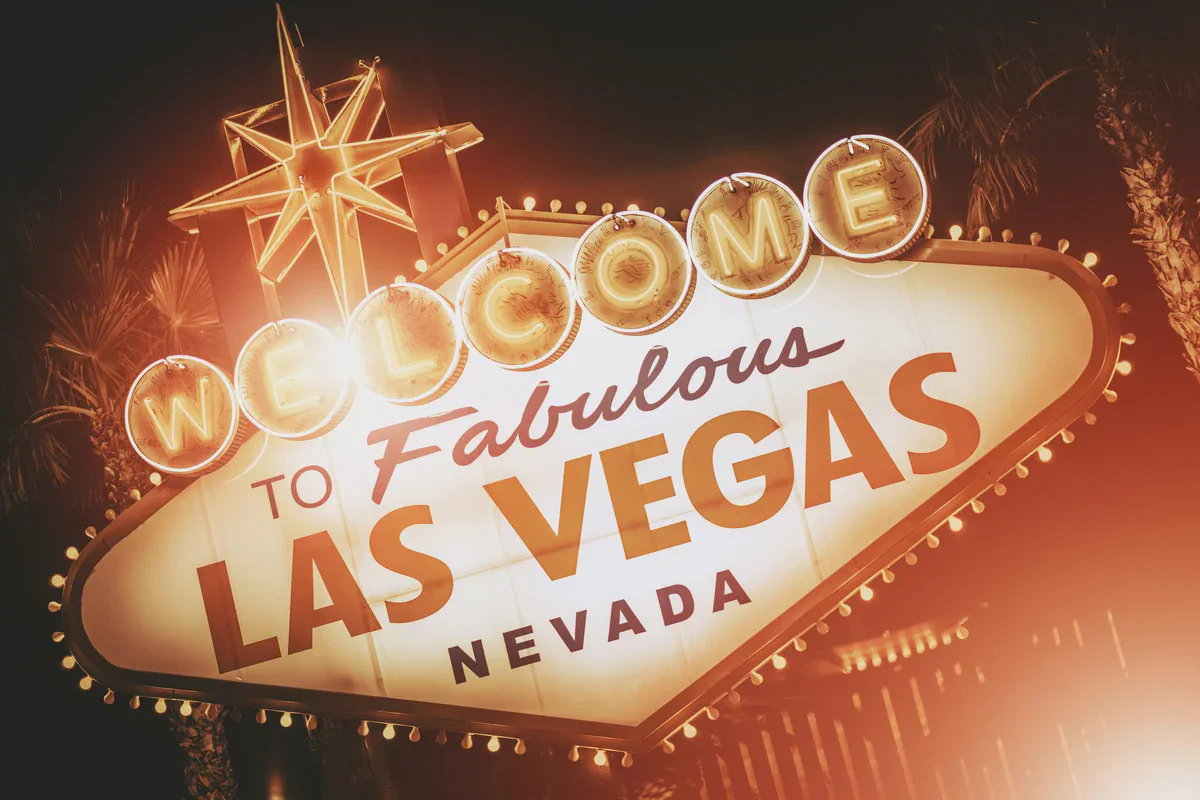
Las Vegas looks like an amusement park on television. In person, it operates like a massive machine built to extract cash from visitors at every point of friction.
The scale of the city fools nearly everyone on their first afternoon. The dry desert air makes distant towers look close, the casino floors lack clocks or windows, and simple logistics can consume half your vacation budget before you place a single bet. You do not need to play defense the entire trip, but you do need to understand the local terrain.
The Strip is four miles long and pedestrian bridges make it six
From Mandalay Bay at the south end of the Strip to The Strat at the north, Las Vegas Boulevard measures 4.2 miles. That distance does not sound excessive until you attempt to walk between two adjacent resorts.
A casino resort like Caesars Palace or Bellagio occupies dozens of acres. Street-level pedestrian crossings do not exist along the central Strip because safety barricades channel foot traffic onto elevated pedestrian bridges. To get across an intersection, you must ride slow outdoor escalators, cross exposed concrete overpasses, and wind through multi-story shopping arcades before reaching the next casino floor. A route that looks like a five-minute stroll on a map easily turns into a 35-minute hike.
Summer temperatures routinely exceed 105°F (40°C), and walking on concrete under direct sun drains your energy fast. Pack comfortable walking shoes with proper support. For long north-south journeys, buy an $8 24-hour pass for the Deuce bus or use the free trams connecting Mandalay Bay to Luxor and Excalibur, or Bellagio to Park MGM.
Resort fees and parking add sixty dollars before you open the door
A $45 headline room rate on a Tuesday rarely stays at $45. Most Strip resorts charge a mandatory resort fee ranging between $45 and $55 per night, subject to the local 13.38% hotel room tax. That fee gets added at checkout whether you touch the fitness center, the pool, or the guest room landline.
Parking is no longer a casino perk. Self-parking at most MGM and Caesars properties costs $18 to $25 per day, and valet runs higher. If you rent a car at the airport, factor parking into your lodging budget immediately.
Inside your room, treat the mini-fridge with caution. Modern resort minibars use electronic weight sensors under snack trays and beverage racks. Picking up a $14 bottle of water to read the label triggers a charge to your room folio after 60 seconds. Empty desk space for your personal groceries is often non-existent. Walk to the nearest CVS or Walgreens on the Strip to buy cold gallon jugs of water, fruit, and beer at regular retail prices. Drinking your own beverages on the Strip sidewalk is entirely legal as long as the container is plastic or aluminium.
Rideshare pickup hides in the parking garage
You cannot hail a cab from the sidewalk on the Strip, and rideshare drivers cannot stop at the front valet driveways. Nevada taxi regulations and hotel traffic plans force all app-based pickups into designated rideshare zones.
These zones usually sit in remote corners of parking garages or underground service bays. At large properties like MGM Grand or Venetian, the walk from your hotel elevator through the casino floor to the rideshare bench takes 12 to 15 minutes. Always check the property signage and start walking toward the rideshare lounge before you open the app to request a driver. Drivers wait at a staging lot off-site and will cancel if you are not standing on the curb when they pull into the loading bay.
If you are heading to Harry Reid International Airport during Sunday afternoon rush hours, traditional taxis lined up at the front valet entrance are often faster than waiting through rideshare surges. Airport taxi fares from the Strip operate on regulated flat rates: $23 for the South Strip (Zone 1), $27 for Center Strip (Zone 2), and $30 for North Strip (Zone 3), plus credit card processing fees.
Casino dead zones and staying connected
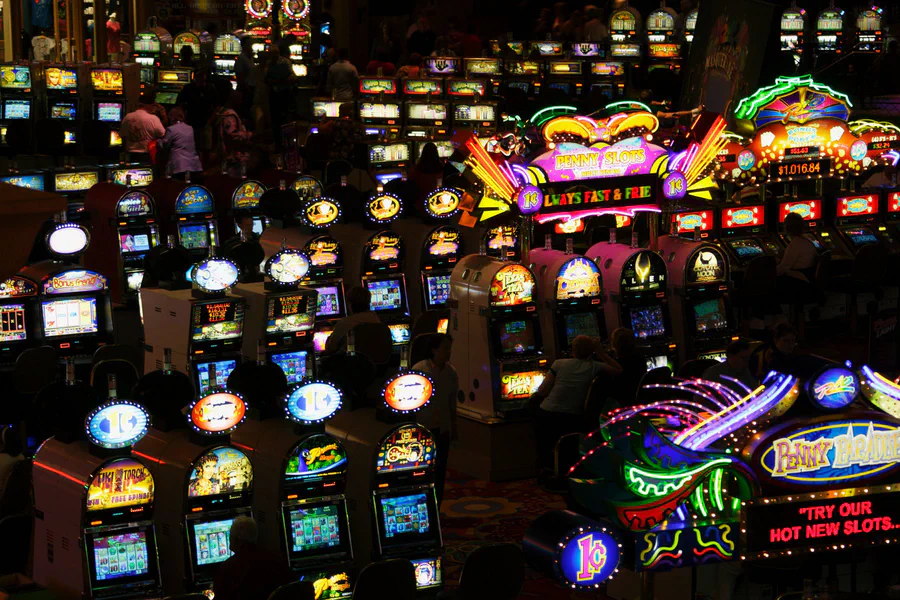
Casinos are constructed from reinforced concrete, structural steel, and mirrored glass. Below street level, thick foundation walls and thousands of electronic gaming machines create an environment that frequently drops mobile reception.
Hotel guest WiFi rarely reaches the casino floor with steady speed, and public casino networks require repeated portal logins that disconnect as you move between properties. You need reliable data to check rideshare pickup bays, message your group, access digital show tickets, and make restaurant reservations.
Having a dedicated cellular connection avoids hunting for hotel login screens. A USA eSIM running directly on the nationwide T-Mobile 5G network provides consistent mobile data throughout the Strip, Downtown Fremont Street, and outer desert day trips. With plans starting at $3.99 for 1 GB and $6.99 for 3 GB, you stay connected without paying daily hotel connectivity add-ons or international roaming fees.
Eat off the Strip for dinner that respects your wallet
Dining along the Strip has shifted heavily toward celebrity chef licensing deals, generic luxury steakhouses, and hidden resort concession fees. It is easy to spend $30 on breakfast sandwiches and coffee at a resort cafe without getting memorable food in return.
For genuine culinary talent, head three miles west of the Strip down Spring Mountain Road into Las Vegas Chinatown. The strip malls along this corridor contain some of the finest Asian dining in North America. Raku serves charcoal-grilled robata skewers and homemade tofu until late at night. Monta Ramen dishes rich tonkotsu broth at fair prices, and Shanghai Taste turns out hand-folded soup dumplings at a fraction of casino prices.
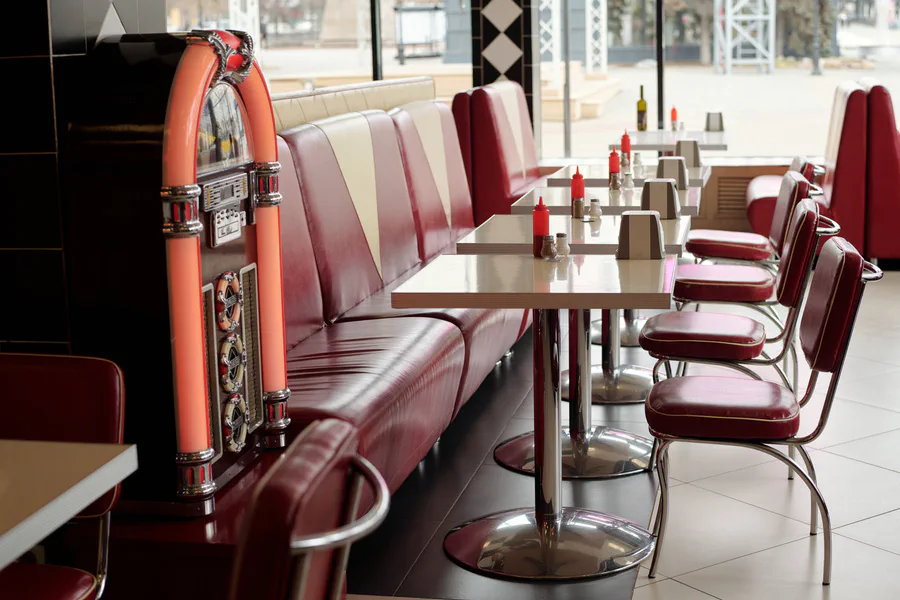
If you want vintage Las Vegas atmosphere, East Sahara Avenue houses the historic Italian American Club, where live lounge singers perform while classic pasta and veal parmigiana arrive at red-clothed tables. Piero’s Italian Cuisine across from the convention center delivers classic Rat Pack steakhouse ambiance with zero tourist gimmickry.
Check the convention calendar before booking your room
Las Vegas room pricing is driven by convention dates rather than seasonal weather. A standard king room that costs $75 on a Wednesday evening in late July can leap to $700 on that same Wednesday in January if a massive trade exhibition takes over the city.
Major events like the Consumer Electronics Show (CES in January), the SEMA automotive show (November), the National Finals Rodeo (December), and EDC (May) draw upwards of 100,000 visitors. Flight tickets and hotel rooms book up months in advance, and traffic on the Strip grinds to a halt. Always look up the official Las Vegas convention calendar before you book non-refundable flights.
If you want to avoid slot machine noise and cigarette smoke, consider booking a non-gaming property. Hotels like Vdara, Waldorf Astoria, and Four Seasons sit directly on or adjacent to the Strip but contain no casinos on their lobby floors. You get prompt elevator access, quiet lobbies, and clean air. Compare hotel availability on Booking.com and filter for properties matching your travel dates and preference for non-gaming or boutique options.
Is Las Vegas walkable?
How much are resort fees in Las Vegas?
Where do you catch an Uber or Lyft at Las Vegas hotels?
Do Las Vegas casinos have free WiFi?
When is the cheapest time to visit Las Vegas?
Can you refuse to pay resort fees?
Prices, resort fees, and transit details checked October 2026.
The Booking.com link above is an affiliate link. Booking through it costs you nothing extra and helps keep Atli running.