Vietnam sits at the lowest advisory tier of the US State Department, and the UK Foreign Office keeps no red zones on its map at all. Its one-line summary reads: violent crime against foreigners is rare, petty theft occurs regularly. For visitors, the main risks are the traffic, phone snatching in Ho Chi Minh City, and scams.
The risks in order
| Risk | How common | Where |
|---|---|---|
| Traffic | The one that injures visitors | Everywhere, worst in the big cities |
| Phone and bag snatching | Common, non-violent | HCMC District 1 above all |
| Scams and overcharging | Constant, low-stakes | Tourist zones, taxis, cyclos |
| Violent crime | Rare enough to make the news | Nowhere in particular |
| Typhoons and floods | Seasonal, regional | Central coast, September to November |
Traffic and road safety
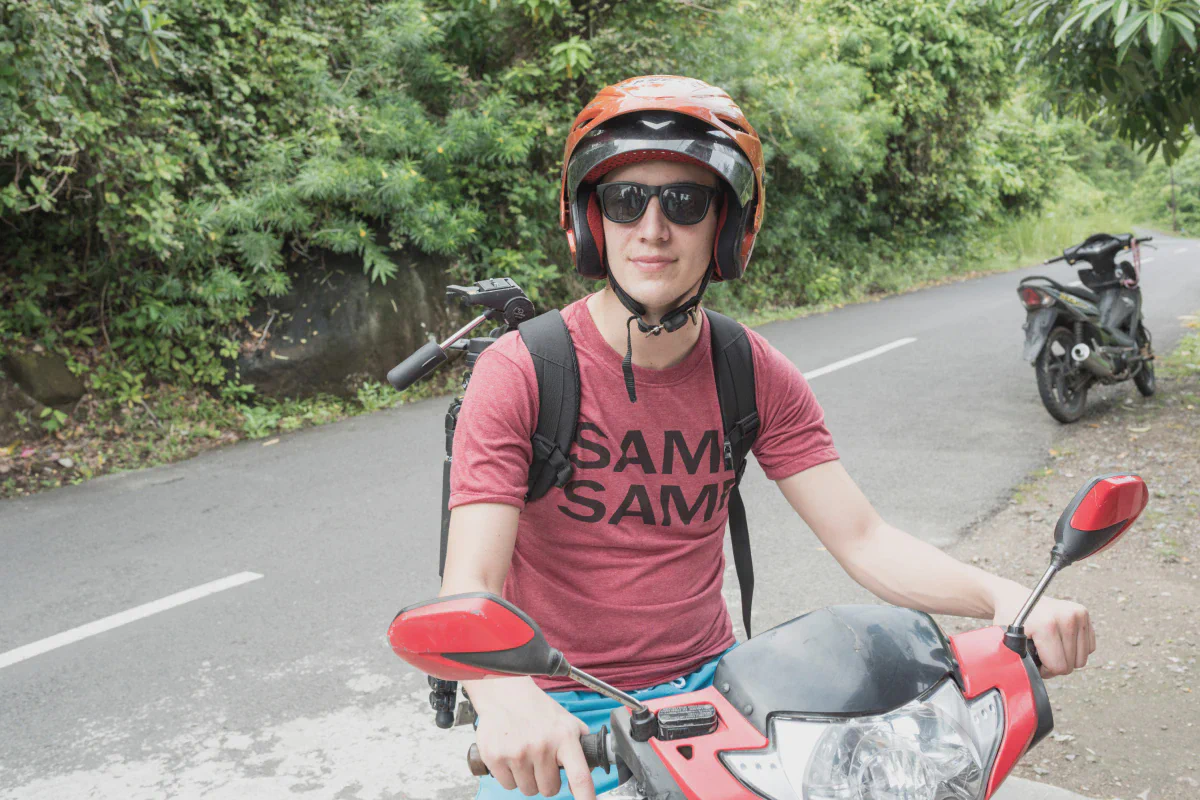
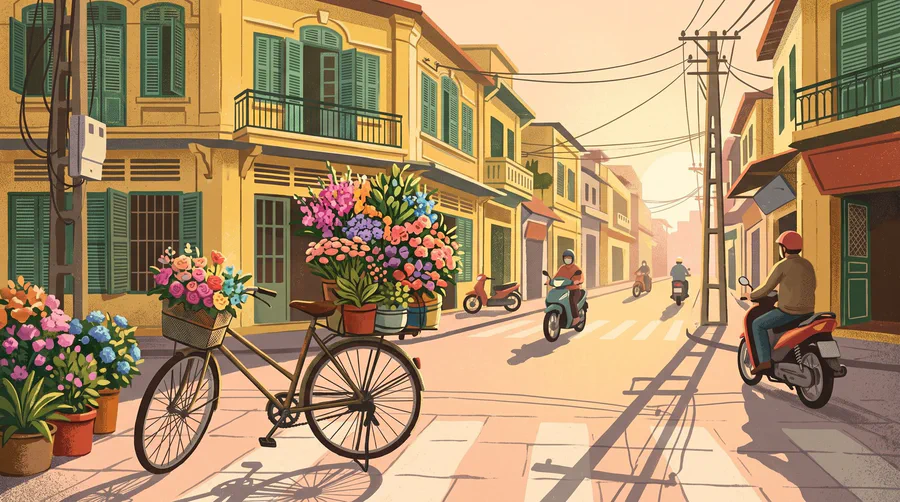
Vietnam’s police counted nearly 10,000 road deaths in 2024. Most involve motorbikes, because most vehicles are motorbikes, and the UK Foreign Office notes that motorbike accidents have killed and injured British tourists. Two habits cover most of the risk. Crossing the street: walk slowly and steadily into the stream and let it flow around you; the danger is stopping or stepping back suddenly. Riding: if you rent a bike, the rule depends on where your licence was issued. UK drivers can use a 1968 IDP with the motorcycle category together with their UK licence. US, New Zealand and Australian licences and IDPs are not accepted, so travellers from those countries need a Vietnamese licence. Ride without the licence Vietnam requires and an insurer can deny claims connected to the bike, including accident or medical claims, depending on the policy.
Phone and bag snatching
In Ho Chi Minh City the common crime is two people on a motorbike grabbing a phone from a pedestrian’s hand. Ben Thanh Market, Bui Vien, Nguyen Hue and Dong Khoi are the main areas, and it happens more around Tet. Hold your phone in the hand away from the road, wear your bag across your body on the side away from traffic, and leave nothing loose on cafe tables at the kerb. Australia’s advisory adds that if someone grabs your bag, you should let it go, because resisting can get you hurt.
Hanoi has milder versions: pickpockets in the Old Quarter, the odd bag lifted from a chair back. The same habits cover it.
Common scams
The taxi meter. Rigged meters run three to five times fast, and lookalike cars imitate the two trustworthy street brands, Mai Linh (green) and Vinasun (white). The simplest fix is a ride app: Grab, Be, or the Xanh SM electric cabs, all with a fixed fare before you get in. For longer trips, agreeing a price through your hotel also works.
The cyclo renegotiation. A ride agreed at 50,000 dong finishes with a demand for 500,000: that was per person, per hour, or in dollars. If you want the cyclo photo, agree price, route and duration in writing on a phone screen first.
The banknote shuffle. The 20,000 and 500,000 dong notes are both blue, and a practised hand can swap one for the other while claiming you underpaid. Say the denomination out loud as you hand it over and keep the 500s in a different pocket.
Shoe-shines and donut sellers. In Hanoi, anything put in your hand or on your shoe without your asking comes with a bill. Hand it back and keep walking.
The rental damage claim. Pre-existing scratches billed to you at checkout. Video the bike, slowly, in front of the owner, before you ride off.
Nightlife
Vietnam’s nightlife is relaxed and mostly safe. The UK advisory gives two cautions. Drink spiking happens; do not accept opened drinks, snacks or even chewing gum from strangers. And the sexual assaults that do get reported in tourist areas are disproportionately linked to unlicensed taxis, another reason to use a ride app late at night.
Vietnam applies the death penalty for trafficking from 100 grams of hard drugs, possession of illegal drugs including cannabis can bring criminal charges, and police carry out drug tests during raids on bars and clubs. The same rules apply to foreigners.
Weather, water and emergencies
Typhoon season runs May to November, and the central coast, Hue, Da Nang and Hoi An, takes the concentrated hits from September to November. Storms are forecast days ahead; the practical risk is cancelled trains and flooded streets, provided you follow local advice. A beach week on the central coast is better planned outside those months.
Do not drink the tap water; bottled and refill stations are universal. Street food is mostly fine for travellers; choose busy stalls where the food is cooked to order. Emergency numbers, should you need them: 113 police, 115 ambulance, 112 for disasters, and English is not guaranteed on any of them, so ask your hotel to call if you can.
For women travelling alone, harassment is uncommon, streets stay busy late, and the usual precautions cover most of it. The one rule specific to Vietnam is to use ride apps rather than street taxis.
Everything else about the two big cities, including where these scams cluster and which neighbourhoods to sleep in, is in the Hanoi vs Ho Chi Minh City guide.
FAQ
Is Vietnam safe for solo female travellers?
Is it safe to ride a motorbike in Vietnam?
Which is safer, Hanoi or Ho Chi Minh City?
Is street food in Vietnam safe to eat?
Does mobile data help against the scams?
Advisory levels, road-death figures and scam patterns checked against US, UK and Australian government advisories, September 2026.