
Flights cost a lot more this year. In the United States, airline fares in July were 25.5 percent higher than a year earlier, according to the Bureau of Labor Statistics, and the Bureau of Transportation Statistics recorded an average domestic fare of US$428 in the first quarter, which is the highest first quarter it has measured. Europe has moved less, but it is moving: Eurostat put EU air transport prices up 3.1 percent in June after an 8.1 percent jump in May.
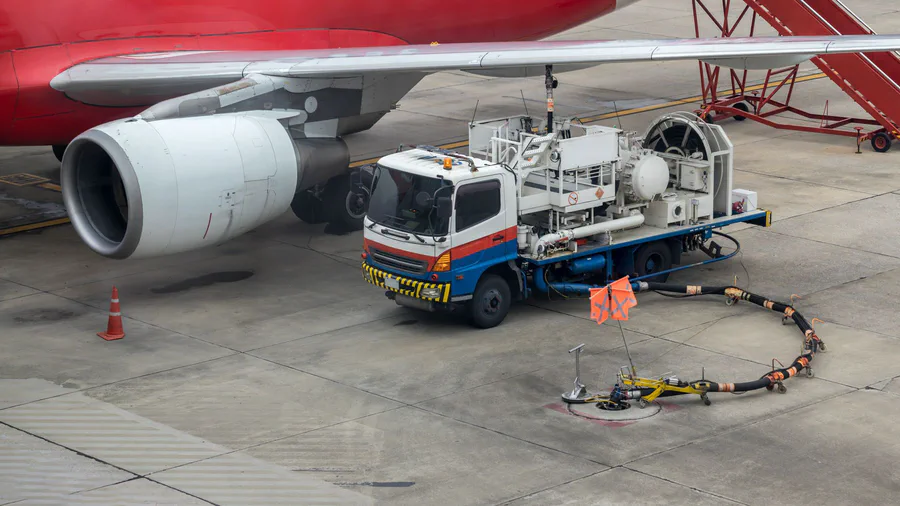
The cause is fuel. IATA expects jet fuel to average US$152 a barrel in 2026 against US$90 last year, which adds about US$100 billion to the industry’s fuel bill. Airlines are passing it on. They expect to fill a record 84 percent of seats, so they have no need to discount. In the US the collapse of Spirit Airlines in May removed the carrier that kept everyone else’s fares in check on many routes.
None of that changes how fares are set, so the habits that found cheaper seats in 2019 still find them in 2026.
Why fares are high this year
Fuel is the largest cost an airline cannot negotiate, and it has gone up by two thirds. IATA’s June forecast halved the industry’s expected profit for the year to US$23 billion, and airlines have protected themselves by raising fares and trimming capacity rather than by flying emptier planes. A record load factor means fewer unsold seats, and unsold seats are where last-minute bargains came from.
The pain is uneven. US travellers have taken the biggest increase because the domestic market lost a low-cost carrier at the same moment fuel spiked. In Europe, low-cost competition is intact and the national numbers swing by month: Belgium’s fares were up 28.7 percent in June, while some smaller markets were down. Asia sits in between, with the countries most dependent on imported fuel, such as India and Japan, most exposed according to IATA.
Book two to six weeks out
The most common mistake is booking six months out to be safe. Expedia’s 2026 report, built on ARC ticketing data, found that domestic economy fares booked 15 to 30 days before departure averaged US$130 less than fares booked more than six months ahead. For international flights the best window was 31 to 45 days out, saving about US$190 on average.
Those are US figures and averages, so a specific route on a holiday weekend can still reward booking early. The point is that early is not automatically cheap. Airlines rarely open a flight at its lowest fare, and they adjust it as they learn how the plane is selling.
Leave on a Friday
The same report found Friday is now the cheapest day both to book and to depart, and Sunday the most expensive. Flying out on a Friday instead of a Sunday saved up to 12 percent. Business travel used to make Friday costly, and less of it is happening.
Departure time matters as well. The first flight of the day and the last are usually the cheapest on any route, and the first also tends to be the least delayed, because the aircraft has been at the gate overnight.

Start with a map search
Fixing the destination first is the second mistake. Google Flights has an Explore view that takes a departure airport and a month, or a week, and prices every destination on a map. Skyscanner does the same with Everywhere as the destination. Both will show you that the city you had not considered is half the price of the one you had.
Once a route is chosen, the date grid in Google Flights shows a two-week matrix of outbound and return dates, and the price graph shows whether today’s fare is high or low for that route over the last months. Set a price alert on any route you are serious about. Alerts do the daily checking for you, and the fare usually drops before it rises again.
Price the second airport
Most large cities have a second airport that the low-cost carriers use, and the fare difference can be larger than the cost of getting there. Milan has Bergamo and Malpensa, London has Stansted and Heathrow, Paris has Beauvais and Charles de Gaulle. In the US, the gap is often between a hub and the airport an hour’s drive away.
Low-cost carriers price each direction separately, so check one-way fares in both directions rather than a return. Two one-ways on two airlines are often cheaper than one return, and they are easier to change. If you connect between two separate tickets, leave at least three hours, because neither airline owes you anything if the first flight is late. Our layover guide covers the practical side of a long connection.
Lock the fare with the 24-hour rule
For any flight to, from or within the United States, booked at least seven days before departure, US rules require the airline to offer one of two things: a free cancellation within 24 hours of booking, or a 24-hour hold at the quoted price without payment. The airline chooses which, and most offer the cancellation. It applies to foreign airlines and to bookings made through agencies, as long as the itinerary touches the US.
The value is the time it buys: you can book a good fare the moment you see it, spend a day checking whether a better one exists, and cancel if it does. Outside the US there is no equivalent law. Many airlines offer a similar grace period as policy, and the fare rules will say so before you pay.
Compare the airline with an agency
Online agencies are sometimes cheaper than the airline for the same seat, most often on long-haul itineraries that combine two carriers, and on routes within Asia, where agencies such as Trip.com hold inventory the airlines’ own sites do not always show. Compare the agency price against the airline’s own site before you pay, and include the baggage allowance on both sides.
The trade is service. If a flight is cancelled or changed, an agency booking has to be handled through the agency, and in a disruption the airline desk will send you back to it. For a simple itinerary on one airline, the small saving through an agency rarely justifies that risk. For a complex one, it can be.
Add up what the fare leaves out
The number in the search result is the floor. A checked bag on a low-cost carrier can add US$30 to US$70 each way, a chosen seat US$10 to US$50, and the airport transfer at a secondary airport is rarely free. Add those before you compare a low-cost fare with a full-service one.
Then there is the phone. For a US traveller, carrier roaming passes cost about US$12 a day, so a two-week trip adds roughly US$170 on top of the fare, more than most people pay for seat selection and bags together. A travel eSIM covers the same trip for a fraction of that. The comparison is in our guide to avoiding roaming charges.
Spend points while cash fares are high
When cash fares rise and award charts do not, miles buy more than they did. If you hold a balance, check award availability before you check cash prices, and look for transfer bonuses from card programmes to airlines, which appear a few times a year and stretch a balance by a quarter or more. Award seats on the cheapest dates go first, so the booking windows above apply to points as well.
Before you book
Every one of these tips comes down to flexibility in the date, the airport, the destination or the order you search. A traveller with fixed dates to a fixed airport pays the 2026 price. A traveller who can move by a day, or fly from the airport across the city, still finds a fare that looks like last year’s.
Fare data from the Bureau of Labor Statistics, the Bureau of Transportation Statistics and Eurostat, July 2026 releases; fuel and profit forecasts from IATA, June 2026; booking windows and weekdays from Expedia’s 2026 Air Hacks report on US ticketing. Baggage and seat fees are typical ranges, not quotes.
FAQ
Why are flights so expensive in 2026?
When is the cheapest time to book a flight?
Is it cheaper to fly on a particular day?
Does searching in incognito mode find cheaper fares?
Can I cancel a flight for free after booking?
The Trip.com link above is an affiliate link. Booking through it costs you nothing extra and helps keep Atli running.